
Building activewear that actually works requires an exact fit, durable construction, and technical fabrics. At Sahaz Unified Source, we track the major players setting these benchmarks across the industry. We do this because the standards they set dictate the sourcing, material, and production requirements for the rest of the market.
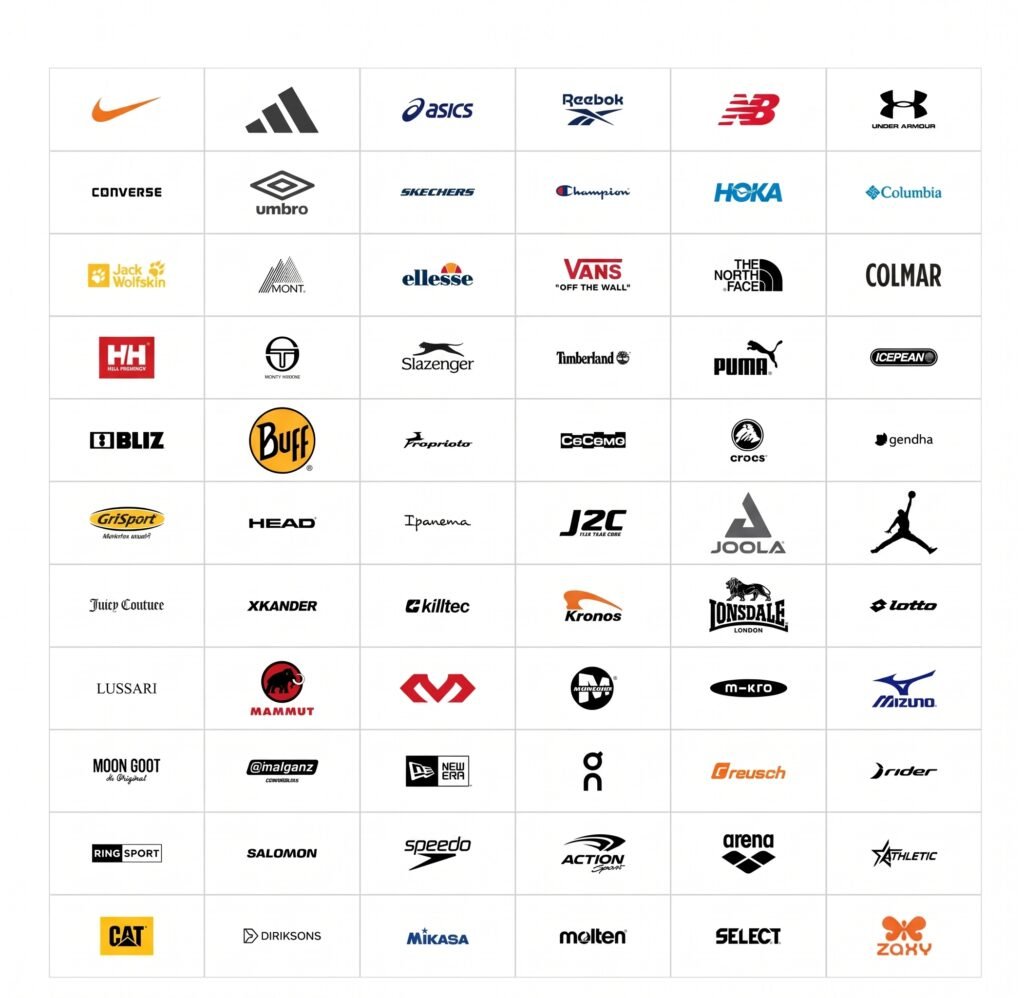
Here is a breakdown of how leading brands define manufacturing standards across different activewear categories.
Athletic and Performance
Nike, Adidas, Under Armour, and Asics dominate moisture management and lightweight knits. They set the baseline for how technical fabrics need to perform under heavy physical stress. For apparel sourcing, matching this standard means a heavy focus on moisture-wicking finishes, high-stretch elastane blends, and specialized knitting techniques that hold up to repeated washing and wear.
Outdoor and Alpine
When the environment gets extreme, the manufacturing requirements shift completely. The North Face, Mammut, Salomon, and Columbia write the rules on weather resistance. Producing for this category moves away from simple stitching to waterproof seam sealing, durable water repellent (DWR) coatings, and rugged, multi-layer outerwear construction. There is zero room for error in these production lines.
Heritage and Lifestyle
Converse, Champion, Sergio Tacchini, and Reebok define classic sportswear. Rather than high-tech synthetics, their standards rely on heavyweight cottons, retro fleece, and everyday canvas. The main manufacturing challenge here is maintaining strict shrinkage control, ensuring color fastness, and achieving the right hand-feel for daily, comfortable wear.
Specialty and Equipment
Speedo, Head, Molten, and Crocs deliver gear built for exact, niche purposes. Whether it is chlorine-resistant fabrics for competitive swimwear or molded foam construction, specialty brands push factories to adopt highly specific machinery and non-standard materials.
Dozens of other companies, from Helly Hansen to New Balance, keep pushing the market forward. Watching how these brands operate keeps our supply chain focused. At Sahaz Unified Source, we use these industry benchmarks to help our buyers source better materials and execute sharper production methods directly from our partner factories.